
Homeopathy and Menopause: A Complementary Approach to Supporting Women’s Well-Being

The Conversation Around Menopause in Canada
In recent years, the discussion around menopause has become more open across Canada. Many women are increasingly willing to talk about the physical and emotional changes that can occur during this stage of life, including hot flashes, sleep disturbances, mood changes, and shifts in energy levels.
Menopause is a natural biological transition rather than a disease. However, the symptoms associated with it can sometimes affect quality of life. Healthcare providers may recommend various treatment approaches depending on individual needs. One common option is hormone therapy, which can be beneficial for some women.
At the same time, some women explore non-hormonal or complementary approaches to support overall well-being during this transition. Homeopathy is one approach that some individuals choose to incorporate alongside conventional medical care.
Understanding the Homeopathic Perspective
Homeopathy is a system of complementary medicine developed by physician Samuel Hahnemann in the late 18th century. The practice is based on the principle that highly diluted substances may be used in specific preparations according to homeopathic pharmacology.
Homeopathic practitioners generally focus on the individual experience of symptoms, considering emotional, physical, and lifestyle factors when recommending remedies.
Rather than focusing only on a specific diagnosis, practitioners may explore aspects such as:
- the pattern and timing of hot flashes
• sleep changes
• mood fluctuations
• stress levels and emotional responses
• overall health history and lifestyle factors
This individualized approach aims to support a woman’s overall sense of balance and well-being during the menopausal transition.
Homeopathy is typically used as a complementary therapy and should not replace medical advice or treatment from qualified healthcare professionals.
Remedies Traditionally Discussed in Homeopathic Literature
Homeopathic practitioners may consider various remedies depending on the individual’s symptoms and overall health picture. Examples commonly described in homeopathic texts include:
Lachesis Mutus
In homeopathic literature, Lachesis is sometimes discussed in relation to symptoms such as heat sensations, flushing, and sensitivity to tight clothing around the neck or waist.
Sepia Officinalis
Sepia is traditionally associated with fatigue, mood changes, and a sense of emotional depletion in some individuals during hormonal transitions.
Sanguinaria Canadensis
Derived from the North American bloodroot plant, Sanguinaria is described in homeopathic texts as being associated with flushing sensations and headaches that may occur alongside heat symptoms.
Amylenum Nitrosum
Some practitioners discuss this remedy in the context of sudden flushing sensations accompanied by warmth or palpitations.
Calcarea Carbonica
This remedy is sometimes referenced in homeopathic practice when individuals report fatigue, sensitivity to temperature changes, and general feelings of overwhelm.
Graphites
Graphites is described in homeopathic literature as being associated with individuals who may experience sluggishness, digestive changes, or skin concerns alongside hormonal shifts.
It is important to note that remedy selection should ideally be guided by a qualified practitioner, as the most appropriate remedy depends on the individual’s complete symptom picture.
Supporting Common Menopause-Related Concerns
Sleep Disturbances and Night Sweats
Sleep disruptions are frequently reported during menopause. Some women explore lifestyle strategies, medical guidance, and complementary approaches to support better sleep quality.
Emotional Well-Being
Hormonal changes may affect mood and emotional balance. Many healthcare professionals emphasize the importance of supportive care, stress-management techniques, and open discussion with healthcare providers during this stage of life.
Changes in Intimate Health
Vaginal dryness or changes in libido are common experiences during menopause. Women are encouraged to discuss these concerns with healthcare professionals who can recommend appropriate options.
Joint Discomfort
Some women report joint stiffness or discomfort during hormonal transitions. Medical guidance, physical activity, and supportive therapies may help address these concerns.
Working With a Qualified Practitioner
Menopause is often a gradual transition that may unfold over several years, from perimenopause to post-menopause. Some women choose to work with a homeopathic practitioner during this time as part of a broader wellness plan.
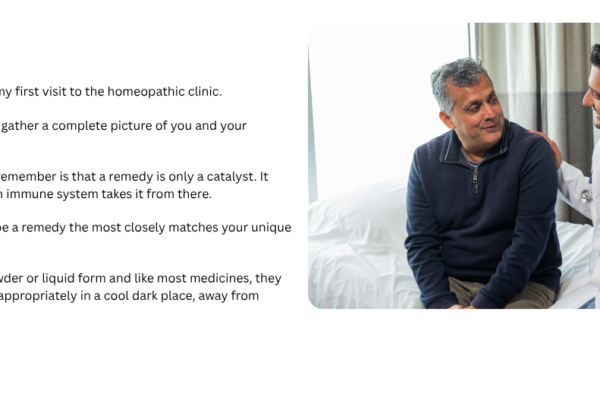
A homeopathic consultation typically involves a detailed discussion of symptoms, lifestyle factors, and personal health history. Based on this information, the practitioner may suggest remedies traditionally used within homeopathic practice.
Women interested in professional homeopathic care can look for practitioners affiliated with organizations such as the Canadian Society of Homeopaths or other recognized professional associations.
Research and Ongoing Discussion
Research on homeopathy continues to be an area of ongoing scientific discussion. Some studies examining individualized homeopathic care report improvements in patient-reported wellbeing, while other studies have found limited evidence beyond placebo.
Because of these mixed findings, homeopathy is generally considered a complementary approach rather than a primary medical treatment.
Women experiencing significant menopausal symptoms should consult qualified healthcare professionals to explore all appropriate treatment options.
A Balanced Approach to Menopause
Many healthcare providers recommend a comprehensive approach to menopause that may include:
✔ regular medical checkups
✔ balanced nutrition
✔ physical activity
✔ stress-management practices
✔ supportive healthcare guidance
Some women also explore complementary approaches such as homeopathy as part of their broader wellness strategy.
Medical Disclaimer
This article is intended for educational purposes only and does not constitute medical advice. Homeopathy is considered a complementary approach and should not replace professional medical diagnosis, treatment, or care.
Individuals experiencing severe or persistent symptoms should consult a qualified healthcare provider. In case of urgent medical concerns, seek immediate medical attention.