

5 Common Skin Problems: Powerful Care & Homeopathic Support
5 Common Skin Problems: Powerful Care & Homeopathic Support
Common skin problems such as acne, eczema, psoriasis, rosacea, and melasma can affect comfort, confidence, and daily life. While each condition is different, many people benefit from a combination of gentle skincare, practical lifestyle changes, medical treatment when needed, and individualized homeopathic support.
1. Acne
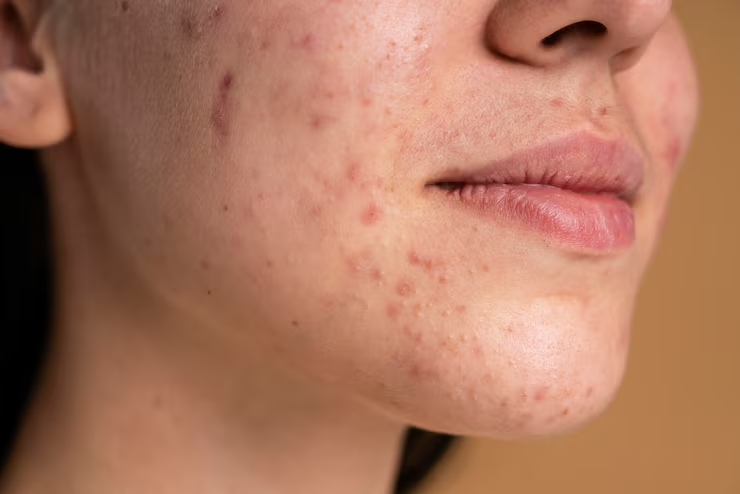
Acne develops when pores become clogged with oil, dead skin cells, and inflammation. It may appear as blackheads, whiteheads, pimples, or deeper cystic breakouts, often on the face, chest, and back.
Conventional treatment may include gentle cleansing, non-comedogenic moisturizers, benzoyl peroxide, salicylic acid, or prescription retinoids such as tretinoin. Avoid scrubbing aggressively, because irritation can worsen acne.
In homeopathy, Sulphur is sometimes considered for red, inflamed breakouts, while Hepar sulphuris or Silicea may be discussed depending on the individual picture. Homeopathic support should be individualized and used alongside—not instead of—medical care for persistent or painful acne.
2. Eczema
Eczema, or atopic dermatitis, causes dry, itchy, inflamed patches due to a weakened skin barrier. It can flare with irritants, allergens, stress, weather changes, and harsh soaps.
The foundation of eczema care is barrier support: use short lukewarm baths, avoid fragranced products, and apply a thick fragrance-free moisturizer immediately after bathing. Dermatologists also recommend moisturizing after bathing to help lock in moisture.
Homeopathic practitioners may consider Graphites for oozing, cracked patches, Dulcamara for flares linked to damp weather, or Petroleum for deep winter cracks. These remedies should be selected by a qualified practitioner based on the whole symptom picture.
3. Psoriasis
Psoriasis is an immune-related condition that speeds up skin-cell turnover, leading to thick, scaly, silvery plaques. It commonly affects the elbows, knees, scalp, and lower back, and may also involve the nails or joints.
Treatment depends on severity and may include topical treatments, phototherapy, systemic medicines, or biologics. Healthy habits such as stress management, regular exercise, adequate sleep, hydration, moisturizing, and avoiding smoking may also help reduce flares.
Homeopathy takes a constitutional approach, meaning the remedy is selected according to the person’s overall physical and emotional pattern rather than the diagnosis alone. Never stop prescribed psoriasis treatment without speaking with your healthcare provider.
4. Rosacea
Rosacea often causes facial redness, visible blood vessels, warmth, and acne-like bumps. Sun exposure, heat, alcohol, spicy foods, and harsh skincare products can trigger flare-ups for some people.
A rosacea-friendly routine includes a gentle cleanser, a soothing moisturizer, and daily broad-spectrum sunscreen with SPF 30 or higher. Dermatologists also recommend sun-protective clothing, shade, and mineral sunscreens containing zinc oxide or titanium dioxide for sensitive skin.
Homeopathic support may include remedies such as Belladonna, Pulsatilla, or Lachesis, depending on the individual pattern. Because rosacea can resemble other conditions, a dermatologist should confirm the diagnosis before starting treatment.
5. Melasma
Melasma causes brown or gray-brown patches, most often on the cheeks, forehead, upper lip, and chin. Hormonal changes, pregnancy, birth-control pills, and sun exposure are common contributing factors.
Daily sun protection is essential. Use broad-spectrum SPF 30 or higher, reapply every two hours outdoors, wear a wide-brimmed hat, and consider a tinted mineral sunscreen with iron oxide, since visible light can worsen melasma.
Dermatological options may include prescription creams, azelaic acid, vitamin C, chemical peels, or other procedures. Homeopathy may be explored as complementary support, but pigment changes should be assessed professionally before using any lightening product.
Protect your skin barrier
Your skin barrier keeps moisture in and irritants out. When it becomes damaged, skin may feel dry, tight, stinging, red, or inflamed.
Helpful habits include:
- Use lukewarm rather than hot water.
- Keep baths and showers short.
- Apply moisturizer while skin is still slightly damp.
- Choose fragrance-free, gentle skincare.
- Avoid harsh scrubs and over-washing.
- Use broad-spectrum SPF 30+ sunscreen daily.
Homeopathy and safety
Homeopathy is popular with people seeking natural alternatives, but scientific evidence supporting its effectiveness for specific skin conditions is limited. Some products labelled homeopathic may contain meaningful amounts of active ingredients and could cause side effects or interactions. nccih.nih
Use homeopathy as complementary care, not as a replacement for dermatological diagnosis or prescribed treatment. Seek medical care for sudden severe rashes, blistering, facial swelling, infection signs, widespread pain, or a rash with fever.
Medical Disclaimer
This article is for educational and informational purposes only and is not intended as medical advice, diagnosis, or treatment. Always consult a qualified healthcare provider or dermatologist before starting, stopping, or changing any skincare product, supplement, or homeopathic remedy.