
Homeopathy and Anxiety: A Complementary Approach to Emotional Well-Being
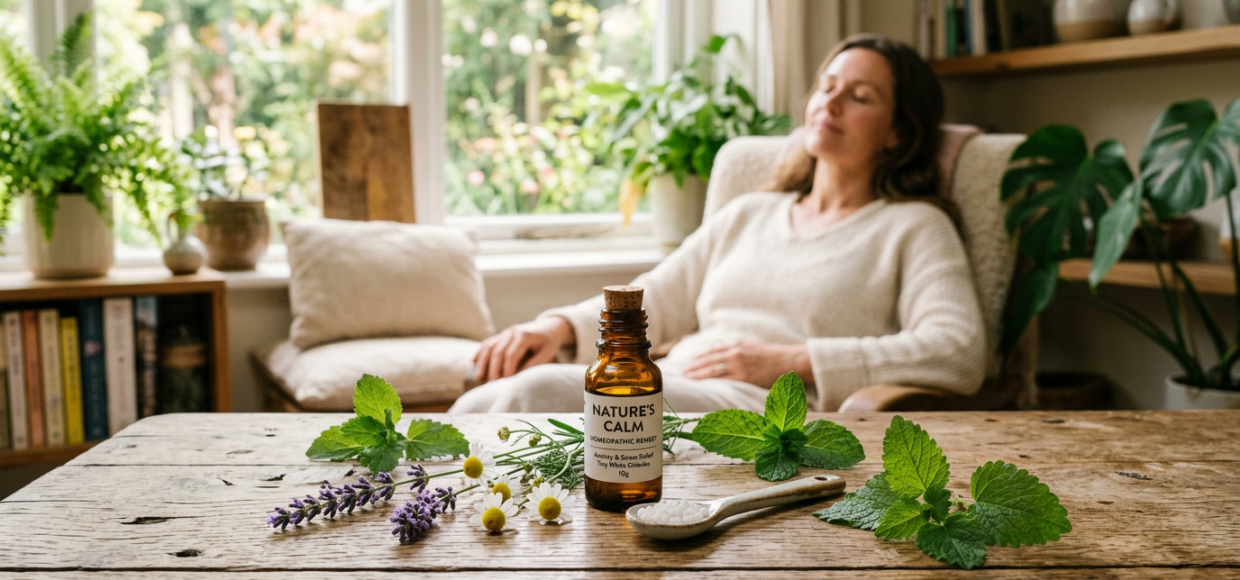
Mental health has become an increasingly important topic across Canada. Many people are looking for supportive approaches that focus on the whole person and can be used alongside conventional care.
According to data from Statistics Canada, a significant number of Canadians report experiencing symptoms related to stress or anxiety that affect their daily lives. While treatments such as counselling, psychotherapy, and prescribed medications remain essential tools for managing mental health conditions like Anxiety Disorders, some individuals also explore complementary approaches to support their overall well-being.
Homeopathy is one such approach that some Canadians choose to include as part of a broader wellness plan.
What Is Homeopathy?
Homeopathy is a system of complementary medicine developed in the late 18th century by German physician Samuel Hahnemann. The practice is based on two general principles:
- “Like cures like” — substances that may cause certain symptoms in a healthy individual are used in highly diluted forms to support people experiencing similar symptoms.
• The minimum dose principle — remedies are prepared in highly diluted forms.
Homeopathic practitioners typically focus on the individual as a whole, considering emotional, physical, and lifestyle factors when selecting a remedy.
It is important to understand that homeopathy is generally used as a complementary therapy, meaning it may be used alongside conventional healthcare rather than as a replacement for medical treatment.
Homeopathy’s Individualized Approach
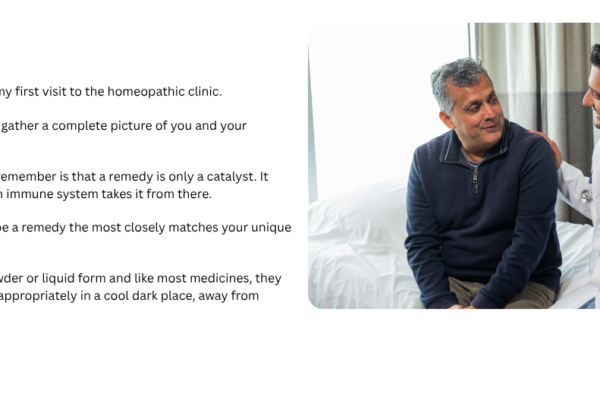
In homeopathic practice, two people experiencing anxiety may receive different remedies depending on their overall patterns of symptoms, personality traits, sleep habits, and stress triggers.
A practitioner may ask questions about:
- Sleep quality and patterns
• Emotional responses to stress
• Lifestyle and daily routines
• Physical symptoms associated with anxiety
• Personal history and coping patterns
This individualized approach aims to better understand how stress or anxiety affects the person as a whole.
Commonly Discussed Homeopathic Remedies for Stress and Anxiety
Homeopathic practitioners sometimes consider various remedies depending on the individual’s overall symptom picture. Examples commonly discussed in homeopathic literature include:
Ignatia Amara
Traditionally associated with emotional stress related to grief, disappointment, or major life changes.
Lycopodium Clavatum
Sometimes discussed in relation to anticipatory nervousness, such as anxiety before public speaking or important events.
Phosphorus
Often associated in homeopathic descriptions with sensitive individuals who may be emotionally responsive to their environment.
Natrum Muriaticum
Frequently referenced in homeopathic texts in connection with individuals who tend to internalize emotions or stress.
It is important to note that remedy selection should ideally be guided by a qualified practitioner, as the most appropriate choice depends on the individual’s overall health profile.
Research and Ongoing Discussion
Research into homeopathy continues to be an area of ongoing scientific discussion. Some studies exploring individualized homeopathic care have reported improvements in quality-of-life measures for certain patients, while other studies have found limited evidence of effectiveness beyond placebo.
Because of these mixed findings, many healthcare professionals view homeopathy as a complementary approach rather than a primary treatment for medical or psychological conditions.
Individuals considering homeopathic care should discuss their health concerns with qualified healthcare providers to determine the most appropriate treatment options.
Practical Considerations
If you are interested in exploring homeopathy as part of your wellness routine, the following steps may be helpful:
✔ Consult a qualified homeopathic practitioner
✔ Continue recommended care from your primary healthcare provider
✔ Track changes in sleep, mood, and stress levels
✔ Maintain healthy lifestyle practices such as exercise, balanced nutrition, and stress-management techniques
Homeopathy is often used as one supportive component within a broader approach to well-being.
Medical Disclaimer
This article is provided for educational and informational purposes only. It is not intended to diagnose, treat, cure, or prevent any disease or medical condition. Homeopathy is considered a complementary therapy and should not replace professional medical advice, diagnosis, or treatment.
If you are experiencing severe anxiety, depression, or a mental health crisis, please seek assistance from a qualified healthcare professional or mental health service provider.